





















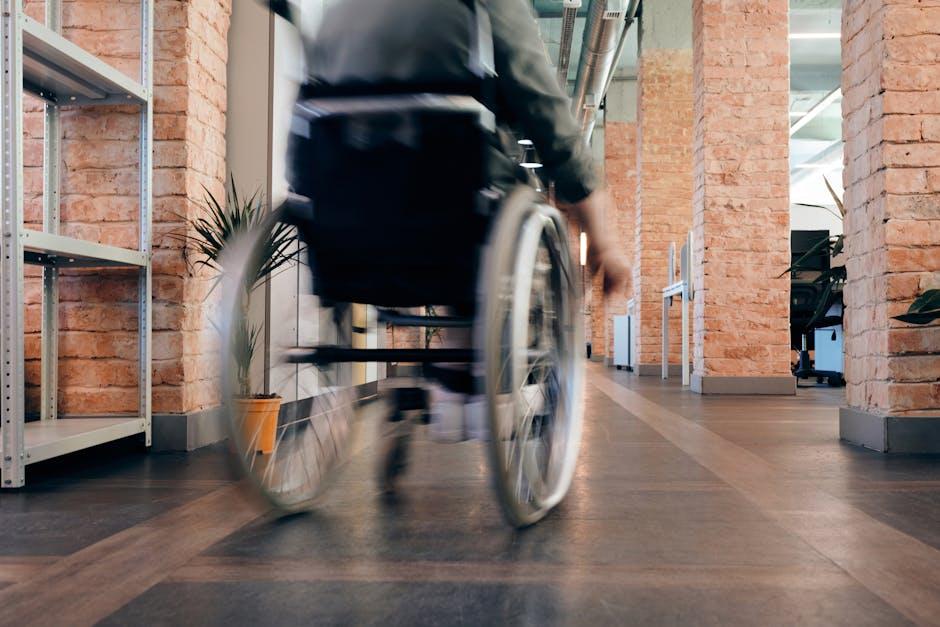
In a world that often dances on the tightrope between autonomy and assistance, the journey of navigating life with a disability is a testament to the intricate balance between independence and support. This delicate equilibrium is not just a personal quest but a societal challenge that requires empathy, understanding, and innovation. As we delve into the realm of “,” we explore the nuanced interplay of self-reliance and communal aid, uncovering stories of resilience, the evolving landscape of accessibility, and the dynamic frameworks that strive to empower individuals while honoring their unique needs. Through this exploration, we aim to illuminate the path towards a more inclusive world, where independence and support coexist harmoniously, crafting a narrative of dignity and possibility for all. Empowering Autonomy: Navigating the Fine Line of Independence and Assistance“>
Empowering Autonomy: Navigating the Fine Line of Independence and Assistance
Striking the right balance between autonomy and support is crucial in fostering an environment where individuals with disabilities can thrive. Empowerment is not merely about providing tools and resources; it’s about creating a space where independence is nurtured alongside appropriate assistance. Consider the following elements when navigating this delicate balance:
- Choice and Control: Enable individuals to make decisions about their lives, from daily activities to long-term goals.
- Adaptive Support: Offer assistance that adapts to changing needs, ensuring that support is both effective and unobtrusive.
- Technology Integration: Leverage modern tools and devices that enhance independence without overshadowing personal agency.
By focusing on these areas, caregivers and support networks can create a partnership that respects the individual’s desire for self-reliance while ensuring that necessary support structures are in place. This approach not only uplifts the individual but also fosters a community that values inclusivity and dignity.
Tailored Strategies: Crafting Personalized Support Plans for Diverse Needs
In the quest to strike a balance between independence and support for individuals with disabilities, the development of personalized support plans emerges as a cornerstone. Such strategies must be as diverse as the needs they aim to address, involving a collaborative approach that respects the individual’s autonomy while providing necessary assistance. Key elements to consider in crafting these tailored plans include:
- Individual Assessment: Conducting thorough evaluations to understand the unique needs, preferences, and capabilities of each individual.
- Goal Setting: Collaborating with the individual to establish realistic and meaningful goals that promote personal growth and self-sufficiency.
- Flexible Support Structures: Designing adaptable support systems that can evolve as the individual’s needs change over time.
Moreover, effective communication and regular feedback loops between all stakeholders—individuals, caregivers, and professionals—are crucial to ensuring these plans remain relevant and effective. By centering the individual in the planning process, we can foster environments where independence is celebrated and support is seamlessly integrated, leading to a more empowered and fulfilling life for those with disabilities.
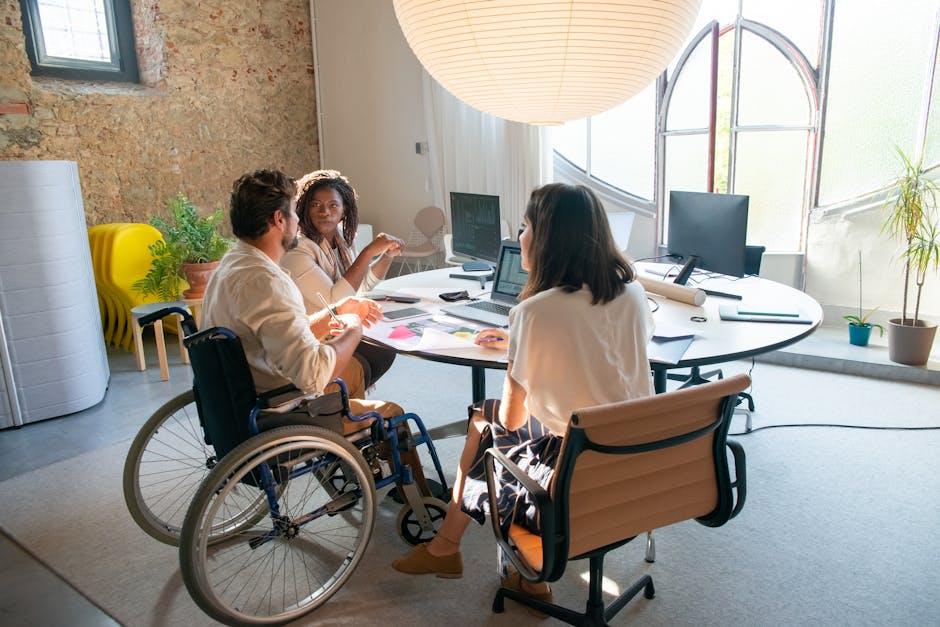
Inclusive Design: Creating Environments that Foster Self-Reliance and Safety
In the pursuit of designing spaces that are both empowering and secure, inclusive design plays a pivotal role. It calls for an environment where individuals with disabilities can thrive independently while having access to necessary support systems. This delicate balance can be achieved through thoughtful architectural and technological solutions that prioritize user autonomy. Some key considerations include:
- Universal Accessibility: Ensure all spaces are navigable for individuals with diverse mobility needs, utilizing features such as ramps, wide doorways, and tactile floor indicators.
- Adaptive Technologies: Implement smart home technologies that allow individuals to control their environment with ease, from lighting to temperature adjustments.
- Ergonomic Design: Furniture and fixtures should cater to different physical abilities, with adjustable heights and easy-to-use handles.
Safety is another critical aspect, requiring a fine-tuned approach that doesn’t undermine personal freedom. This involves integrating discreet safety features that do not hinder autonomy. For instance:
- Emergency Communication Systems: Install easy-to-access emergency buttons or voice-activated systems for quick assistance without restricting movement.
- Non-intrusive Monitoring: Use unobtrusive sensors to track safety without compromising privacy, offering peace of mind for both users and caregivers.
- Strategic Lighting: Ensure adequate lighting in key areas to prevent accidents while maintaining a warm and inviting atmosphere.
By embracing these principles, environments can be crafted to promote self-reliance while ensuring the safety and well-being of all individuals, allowing them to live with dignity and confidence.

Collaborative Solutions: Building a Support Network that Respects Individual Choice
In the quest to create a supportive environment that values the autonomy of individuals with disabilities, fostering collaborative solutions becomes essential. This approach necessitates a delicate balance between providing assistance and honoring personal agency. By integrating a network that emphasizes cooperation and mutual respect, we can ensure that support systems are both empowering and effective. It’s about crafting a framework where every voice is heard, and every choice is respected, thus creating a harmonious blend of independence and care.
- Empathy-Driven Interactions: Prioritize understanding and compassion in every interaction to truly grasp the unique needs and preferences of each individual.
- Flexible Support Structures: Develop adaptable support mechanisms that can be tailored to fit personal choices and evolving circumstances.
- Inclusive Communication Channels: Ensure open and continuous dialogue among all stakeholders, allowing for feedback and adjustments that reflect individual desires.
- Empowerment Through Education: Provide resources and training that enable individuals with disabilities to make informed decisions about their care and support options.
By weaving these elements into the fabric of support networks, we can craft a system that not only aids but also uplifts, offering a balance where independence and assistance coexist seamlessly. This holistic approach acknowledges the dynamic interplay between personal freedom and communal support, paving the way for a more inclusive society.