






















In the quiet echoes of ancient cobblestones and the vibrant hum of bustling marketplaces, the intricate dance between heritage and modernity unfolds. As travelers weave through the tapestry of history, seeking the allure of distant lands, the world’s most cherished destinations find themselves at a crossroads. Tourism, a powerful force of cultural exchange and economic vitality, is simultaneously a harbinger of preservation and peril. The challenge lies in balancing the influx of eager visitors with the delicate threads of tradition and identity that define a place. In this exploration of tourism’s impact, we delve into the nuanced relationship between safeguarding our global heritage and embracing the ever-growing tide of wanderlust, seeking pathways to harmony and sustainability in a world that is both timeless and transient.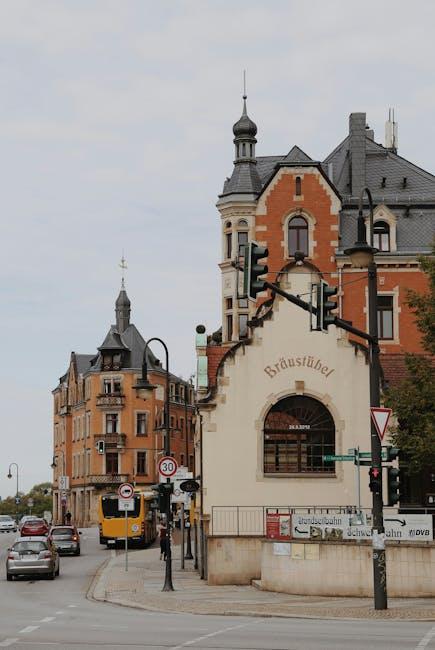
Preserving Cultural Roots Amidst Growing Visitor Numbers
In an era where cultural landmarks are becoming increasingly popular destinations, communities are grappling with the challenge of maintaining their unique heritage while accommodating an ever-growing number of visitors. The delicate balance between preservation and tourism requires innovative solutions that respect both the cultural significance and the economic potential of these sites. To achieve this, local authorities and stakeholders are employing a variety of strategies to ensure that cultural integrity remains intact.
- Engagement of Local Communities: Empowering locals to participate in the decision-making process ensures that tourism development aligns with cultural values and traditions.
- Educational Initiatives: Offering educational programs for tourists can enhance appreciation and understanding of the cultural heritage, encouraging respectful interaction.
- Sustainable Practices: Implementing sustainable tourism practices, such as limiting visitor numbers and promoting eco-friendly travel options, can help mitigate the environmental impact.
By integrating these approaches, destinations can create a symbiotic relationship between cultural preservation and tourism, fostering an environment where heritage can thrive even amidst the bustling influx of global visitors.

The Economic Benefits and Challenges of Tourism Expansion
Tourism expansion brings a spectrum of economic benefits that can significantly uplift local economies. It serves as a catalyst for job creation, offering opportunities in sectors ranging from hospitality to transportation. Additionally, it stimulates infrastructure development, leading to improved public facilities and services. With increased tourist spending, local businesses thrive, contributing to a vibrant market environment. Tourism also encourages cultural exchange, fostering a global community spirit.
However, the challenges accompanying tourism expansion cannot be overlooked. The pressure on local resources often leads to environmental degradation, while the cultural heritage of communities may be compromised by commercialization. The rise in property prices can displace local residents, creating socio-economic divides. Furthermore, the dependence on tourism can make economies vulnerable to global fluctuations. To address these challenges, sustainable tourism practices must be adopted, focusing on community involvement and environmental conservation.
- Job creation and economic growth
- Infrastructure development
- Environmental and cultural impact
- Community displacement and resource strain
Sustainable Strategies for Heritage Conservation
As tourism continues to rise, the challenge lies in maintaining the delicate balance between preserving historical sites and accommodating the influx of visitors. Sustainable strategies are essential to ensure that heritage sites remain intact for future generations while still welcoming tourists. Here are a few approaches that can help in achieving this balance:
- Controlled Access: Implementing visitor limits to prevent overcrowding and reduce wear and tear on delicate structures.
- Community Engagement: Involving local communities in conservation efforts, ensuring that they benefit economically and culturally from tourism.
- Eco-friendly Practices: Encouraging sustainable tourism practices, such as waste reduction and energy-efficient transportation options.
- Digital Innovations: Utilizing technology, like virtual tours, to offer alternative ways of experiencing heritage sites without physical strain.
By integrating these strategies, heritage conservation can coexist harmoniously with tourism, creating a sustainable model that respects both the past and the present.
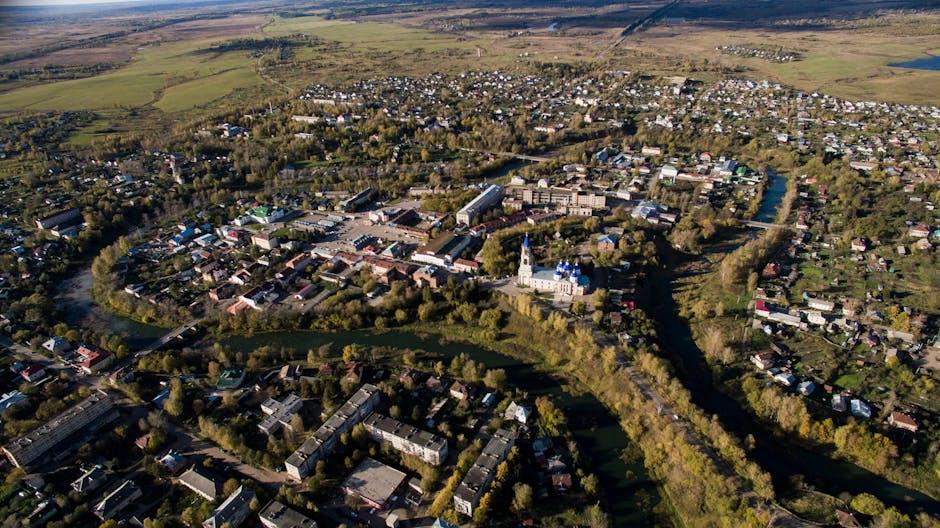
Engaging Local Communities in Tourism Planning
In the delicate dance of preserving cultural heritage while accommodating the ever-growing influx of tourists, engaging local communities in the planning process is crucial. This collaborative approach ensures that tourism development aligns with the values and traditions of the area. By actively involving residents, planners can better understand the unique characteristics and needs of each locale, allowing for a more sustainable and respectful tourism model. Local voices provide invaluable insights into historical narratives, cultural practices, and environmental considerations, which are often overlooked in conventional planning methods.
- Authentic Experiences: Communities can guide the creation of experiences that truly reflect their heritage, ensuring tourists gain a genuine understanding and appreciation.
- Shared Benefits: With inclusive planning, the economic benefits of tourism can be more equitably distributed, supporting local businesses and artisans.
- Conservation Efforts: Residents can help identify key sites and traditions that require protection, fostering a sense of stewardship and shared responsibility.
By weaving community engagement into the fabric of tourism planning, we not only preserve the integrity of cherished destinations but also enrich the visitor experience, creating a harmonious balance between heritage and modernity.