





















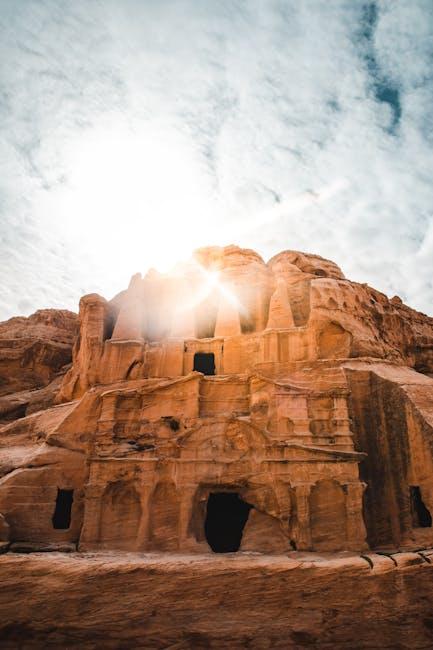
In the quiet embrace of history-laden streets and the whispered echoes of ancient rituals, the delicate dance between preserving tradition and welcoming the influx of modern tourism unfolds. This intricate balance, a tapestry woven with threads of cultural heritage and economic opportunity, is a testament to the resilience and adaptability of communities worldwide. As travelers seek authentic experiences and destinations strive to maintain their cultural identity, the interplay between tradition and tourism influence becomes a narrative of both challenge and opportunity. In this exploration, we delve into the heart of this dynamic relationship, seeking to understand how communities navigate the tightrope between honoring their past and embracing the future.
Embracing the Past: Understanding the Core of Cultural Identity
In the intricate tapestry of cultural identity, understanding the essence of our past is crucial. The interplay between tradition and the modern-day allure of tourism presents both challenges and opportunities. Tradition acts as the bedrock of cultural identity, providing communities with a sense of belonging and continuity. It encompasses age-old practices, languages, arts, and rituals that are passed down through generations. However, the rising influence of tourism often brings about a dynamic shift in these traditions, introducing new perspectives and sometimes, inadvertently, diluting the original essence.
- Preservation vs. Adaptation: Communities face the challenge of preserving their authentic customs while adapting to tourist expectations.
- Economic Opportunities: Tourism can provide financial benefits, which can be reinvested into cultural preservation efforts.
- Cultural Exchange: Exposure to different cultures can lead to a richer, more diverse cultural landscape.
Balancing these elements requires a nuanced approach that respects the past while embracing the potential for growth and exchange. By understanding and valuing our cultural heritage, we can ensure that the core of our identity remains intact, even amidst the evolving influences of the modern world.

Navigating Change: The Impact of Tourism on Traditional Practices
In the dance between tradition and modernity, tourism often plays a pivotal role. As travelers flock to destinations rich in cultural heritage, the impact on traditional practices becomes a delicate balancing act. On one hand, tourism can breathe new life into age-old customs by providing a platform for them to be showcased to the world. This exposure can lead to increased appreciation and preservation efforts, ensuring that these practices endure for future generations. On the other hand, the commercialization of cultural traditions to cater to tourist expectations can sometimes lead to a dilution of their original essence. The pressure to conform to tourist-friendly versions of traditions can result in the loss of authenticity, leaving communities grappling with the challenge of maintaining their cultural identity.
- Preservation: Tourism can provide the financial resources needed to maintain traditional practices.
- Commercialization: There is a risk of traditions being altered to suit tourist preferences.
- Awareness: Increased global exposure can lead to a greater understanding and respect for different cultures.
- Identity: Communities must navigate the fine line between sharing their culture and retaining their unique identity.

Harmonizing Worlds: Strategies for Preserving Heritage Amidst Modern Pressures
In the delicate dance between preserving cultural heritage and accommodating the demands of modern tourism, communities around the world are crafting innovative strategies to maintain this balance. One approach is the integration of sustainable tourism practices that emphasize minimal environmental impact while fostering a deep respect for local traditions. By encouraging travelers to engage in cultural exchanges and learn about the historical significance of their destinations, tourism can transform from a disruptive force into a powerful ally in heritage conservation.
Furthermore, empowering local communities is crucial. This can be achieved through:
- Community-led tourism initiatives: Programs that allow residents to lead tours and share their stories foster a genuine connection between tourists and the culture.
- Economic incentives: Providing locals with financial benefits from tourism ensures they have a vested interest in preserving their heritage.
- Educational workshops: Offering workshops for both locals and visitors on the importance of cultural preservation can cultivate a shared responsibility for safeguarding traditions.
By weaving these strategies into the fabric of tourism development, it is possible to create a symbiotic relationship where both heritage and modernity thrive in harmony.

Fostering Authenticity: Recommendations for Sustainable Cultural Tourism
In the quest to balance heritage and modern tourism, fostering authenticity is paramount. Here are some recommendations to ensure cultural tourism remains sustainable and respectful of local traditions:
- Engage Local Communities: Involve local communities in tourism planning and decision-making. This empowers residents and ensures that their voices are heard, maintaining the integrity of their cultural heritage.
- Promote Authentic Experiences: Encourage tourists to engage in genuine cultural exchanges rather than superficial activities. Support initiatives that offer workshops or immersive experiences, allowing visitors to learn and appreciate traditional crafts, cuisine, and storytelling.
- Implement Responsible Tourism Policies: Establish guidelines that protect cultural sites and traditions from over-commercialization. This includes regulating visitor numbers, creating respectful codes of conduct, and ensuring that tourism revenues benefit local communities.
- Educate Visitors: Provide tourists with information about the cultural significance of the places they visit. Educated visitors are more likely to respect and appreciate the heritage they are experiencing.
By integrating these practices, destinations can preserve their unique cultural identity while offering enriching experiences to visitors, ensuring a harmonious relationship between tradition and tourism.