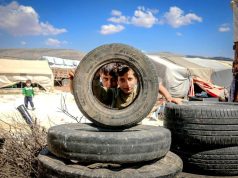





















In the heart of every family lies a desire to create lasting memories, to explore the world together, and to nurture bonds that transcend the everyday. Yet, for some families, the journey takes on an unexpected depth when faced with the stark realities of extreme poverty. This article delves into the unique challenges and profound experiences of families who embark on trips with their children to regions where poverty is not just a statistic, but a lived experience. Through their eyes, we uncover the resilience, empathy, and life lessons that emerge when the comforts of home are left behind, and the true essence of humanity is explored. Join us as we navigate these poignant stories, where the road less traveled offers not only a window into another world but also a mirror reflecting our own values and aspirations.
Navigating the Challenges of Family Travel in Impoverished Regions
Traveling with children through areas of extreme poverty presents a unique set of challenges, yet it can also offer invaluable life lessons and experiences. When visiting these regions, it’s crucial to prepare both logistically and emotionally. Safety and health should be top priorities, ensuring that vaccinations are up-to-date and that a robust first-aid kit is packed. It’s also essential to research local customs and prepare children for cultural differences, teaching them to approach new experiences with empathy and understanding.
- Open Conversations: Engage in discussions with your children about the socioeconomic realities they may witness. This can be a profound learning opportunity to foster compassion and global awareness.
- Responsible Tourism: Support local economies by choosing locally-owned accommodations and dining options, and consider participating in community-based tourism initiatives.
- Mindful Giving: Encourage children to contribute thoughtfully, perhaps by supporting local charities or educational programs rather than giving directly to individuals.
While navigating these challenges requires sensitivity and preparation, the experience can enrich your family’s perspective and leave a positive impact on the communities visited.

Engaging Children with Empathy and Understanding on Your Journey
Traveling to areas affected by extreme poverty can be an eye-opening experience for both adults and children. To ensure that children not only witness but also understand and empathize with the conditions they encounter, it’s essential to engage them thoughtfully. Start by fostering an environment where curiosity is encouraged. Invite them to ask questions and express their feelings about what they see. Use these moments as opportunities to discuss the complexities of poverty and its impact on individuals and communities. This helps build a foundation of empathy and compassion.
To deepen their understanding, consider incorporating activities that allow children to connect personally with the local culture and people. Here are some ideas to consider:
- Storytelling sessions: Share stories of resilience and hope from the community, highlighting the strength and resourcefulness of the people living there.
- Interactive workshops: Participate in local crafts or cooking classes to appreciate cultural traditions and skills.
- Community service: Engage in simple volunteer activities that are age-appropriate, such as helping at a community garden or participating in a local cleanup effort.
By involving children in these activities, they learn the value of empathy and understanding, which can have a lasting impact on their worldview.
Practical Tips for Safe and Meaningful Family Adventures
Embarking on family trips to areas experiencing extreme poverty can be a profound experience, but it requires thoughtful preparation to ensure both safety and meaningful engagement. Here are some practical tips to consider:
- Research and Educate: Before setting out, invest time in understanding the cultural, economic, and social dynamics of the destination. This will not only enrich your family’s experience but also foster respect and empathy.
- Health and Safety Precautions: Prioritize health by ensuring vaccinations are up to date and carrying a well-stocked first-aid kit. Familiarize yourself with local medical facilities and emergency contacts.
- Community Engagement: Look for opportunities to engage with local communities through volunteer work or educational exchanges. This can create a lasting impact and offer your children invaluable life lessons.
- Mindful Consumption: Be conscious of your consumption habits. Opt for local products and services to support the economy, and teach children the importance of sustainability and mindful travel.
By approaching these journeys with an open heart and a prepared mindset, families can transform their travels into powerful learning experiences that resonate long after the trip concludes.

Building Lasting Bonds Through Shared Experiences in Challenging Environments
Taking family trips to regions experiencing extreme poverty can be a profound way to cultivate empathy and understanding in children. These journeys offer an unparalleled opportunity to witness resilience and human spirit in the face of adversity. By exposing children to different socio-economic realities, parents can foster a deeper appreciation for the privileges often taken for granted. The shared experiences in these environments can ignite meaningful conversations about global disparities and inspire a commitment to social change.
- Cultivating Empathy: Witnessing struggles firsthand helps children develop a compassionate outlook.
- Appreciating Diversity: Experiencing different cultures and lifestyles enriches their worldviews.
- Building Resilience: Facing challenges together strengthens family bonds and encourages problem-solving skills.
- Encouraging Gratitude: Recognizing their own advantages can lead to a greater sense of gratitude.
In these challenging settings, families often engage in activities that go beyond typical tourist experiences. Whether it’s volunteering at a local school, participating in community projects, or simply listening to the stories of local residents, these interactions can create lasting memories and deepen familial connections. The lessons learned from these trips can resonate throughout a lifetime, shaping children into thoughtful, compassionate adults who are more aware of the world around them.