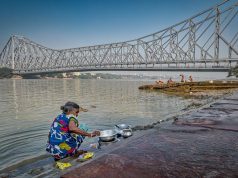





















As the sun dips below the horizon, casting a golden hue over the sprawling cityscape, families across the world embark on journeys that promise adventure, relaxation, and the strengthening of familial bonds. Family vacations, often envisioned as a break from the mundane, offer a chance to explore new landscapes, cultures, and cuisines. Yet, nestled within the allure of tourist hotspots and idyllic destinations lies an unexpected lesson, one that challenges perceptions and ignites introspection: the stark reality of poverty. In this article, we delve into the juxtaposition of leisure and hardship, exploring how family vacations can inadvertently become a powerful lens through which we witness and reflect upon the socio-economic disparities that shape our world. By stepping beyond the confines of all-inclusive resorts and curated experiences, travelers may find themselves confronted with a reality that is as humbling as it is enlightening, prompting crucial conversations about empathy, privilege, and global responsibility.
Exploring Contrasts Understanding Poverty through Family Travel
Traveling as a family offers a unique lens through which we can observe and understand the stark contrasts in our world. Venturing beyond the confines of comfort, families often encounter communities where poverty is a palpable reality. These experiences can serve as powerful educational moments, especially for children, who might witness for the first time the diverse ways in which people live and thrive despite economic challenges. This form of experiential learning can cultivate empathy and a deeper appreciation for the privileges one might take for granted.
- Local Markets and Streets: Exploring local markets can reveal the everyday struggles and resilience of vendors striving to make a living.
- Conversations with Locals: Engaging with local residents can offer insights into the socio-economic challenges they face, fostering a sense of global community.
- Volunteering Opportunities: Participating in community service or volunteer projects can be a transformative experience, highlighting the impact of even small acts of kindness.
Such journeys not only broaden our horizons but also challenge preconceived notions about wealth and happiness. In this way, family vacations become more than just leisure; they become a conduit for fostering a nuanced understanding of the world’s economic disparities.

The Impact of Travel on Childrens Awareness of Socioeconomic Disparities
Traveling with children often presents them with eye-opening experiences that extend beyond the joy of exploring new places. As families traverse diverse regions, children may encounter stark differences in living conditions, inadvertently exposing them to the realities of socioeconomic disparities. These encounters, while sometimes uncomfortable, can be profoundly educational. They can help cultivate empathy and awareness in young minds, offering lessons that classroom discussions may not fully convey. When children witness these contrasts firsthand, they gain a nuanced understanding of the world that can influence their perspectives and values.
- Empathy Development: Observing different lifestyles encourages children to empathize with those who have less, fostering a sense of compassion.
- Critical Thinking: Exposure to varying economic conditions prompts questions and discussions about fairness and equality, stimulating critical thinking.
- Value of Gratitude: Seeing how others live can help children appreciate their own circumstances, nurturing a sense of gratitude.
- Inspiration for Change: Understanding these disparities can inspire a desire to contribute positively to society in the future.

Cultivating Empathy How Family Vacations Can Educate and Inspire
In a world that often moves too fast, family vacations offer a unique opportunity to slow down and witness the diverse tapestry of human experiences. These journeys can serve as eye-opening lessons in empathy, especially when families encounter communities living in poverty. Witnessing poverty firsthand can be a powerful catalyst for developing compassion and understanding, especially for children. It challenges preconceived notions and encourages a deeper appreciation for what one has, fostering a sense of gratitude and humility.
- Engage in Local Experiences: Instead of staying in tourist-centric areas, families can choose accommodations within local neighborhoods. This choice not only supports local economies but also allows travelers to experience daily life from a new perspective.
- Volunteer Together: Participating in community service during a vacation can be a rewarding way to give back. It offers a tangible way to contribute positively while learning about the challenges faced by local residents.
- Encourage Open Discussions: After witnessing poverty, it’s crucial for families to have open conversations about their experiences. This dialogue can help children process what they’ve seen and inspire them to think about ways to make a difference in their own communities.
By integrating these elements into their travel itineraries, families can transform their vacations into meaningful experiences that not only educate but also inspire change. Such encounters can plant the seeds of empathy, growing individuals who are more connected and responsive to the needs of the world around them.

Practical Tips for Meaningful Family Travel Experiences
When embarking on family vacations, it’s essential to integrate experiences that foster a deeper understanding of the world. Here are some practical tips to ensure your family trip is both enlightening and enriching:
- Engage with Local Communities: Spend time in local neighborhoods rather than sticking to tourist hotspots. Consider community-led tours or home-stay experiences that offer authentic interactions and insights.
- Support Local Businesses: Opt for local eateries and markets over international chains. This not only boosts the local economy but also provides your family with a taste of authentic regional flavors.
- Educate and Reflect: Before visiting, research the socioeconomic conditions of your destination. Engage your family in discussions about these realities, encouraging empathy and understanding. Use this opportunity to reflect on how different environments shape people’s lives.
- Volunteer Opportunities: If feasible, participate in short-term volunteer projects. This hands-on approach can instill a sense of gratitude and responsibility in children, helping them appreciate their own circumstances.
By integrating these elements into your family travels, you’ll create memories that are not only memorable but also profoundly meaningful, offering your family a more comprehensive view of the world.