






















In a world increasingly interconnected by the ebb and flow of global tourism, the delicate dance between preserving cultural heritage and embracing modernity has never been more crucial. “” delves into this intricate interplay, where ancient customs and contemporary curiosity collide. As travelers flock to destinations steeped in history, they bring with them not only economic opportunities but also the potential to erode the very traditions they seek to experience. This article explores the challenges and triumphs faced by communities worldwide as they navigate the fine line between safeguarding their cultural legacy and welcoming the world with open arms. Through the eyes of local artisans, cultural custodians, and intrepid travelers, we embark on a journey to discover how age-old traditions can thrive in the face of ever-growing tourist tides. Cultural Heritage at Risk Exploring the Impact of Tourism”>
Cultural Heritage at Risk Exploring the Impact of Tourism
In a world where wanderlust drives millions to explore distant lands, the impact of tourism on cultural heritage is both profound and complex. The allure of experiencing ancient traditions, vibrant festivals, and architectural marvels has created a thriving industry, yet this influx often places immense pressure on the very essence of these cultural treasures. As communities strive to maintain their identity, they face the challenge of ensuring that their traditions do not become mere spectacles for tourists.
- Authenticity vs. Commercialization: The demand for unique cultural experiences can lead to the commercialization of traditions, where rituals and customs are altered for tourist appeal.
- Conservation Efforts: Increased foot traffic can cause physical wear and tear on historic sites, prompting urgent conservation efforts to preserve these landmarks.
- Community Involvement: Local communities play a crucial role in managing tourism, ensuring that cultural practices are respected and that economic benefits are equitably distributed.
Finding a harmonious balance between welcoming visitors and safeguarding cultural heritage requires innovative strategies and collaboration between governments, local communities, and tourists. Only through such efforts can we ensure that the rich tapestry of global traditions continues to thrive amid the growing tides of tourism.
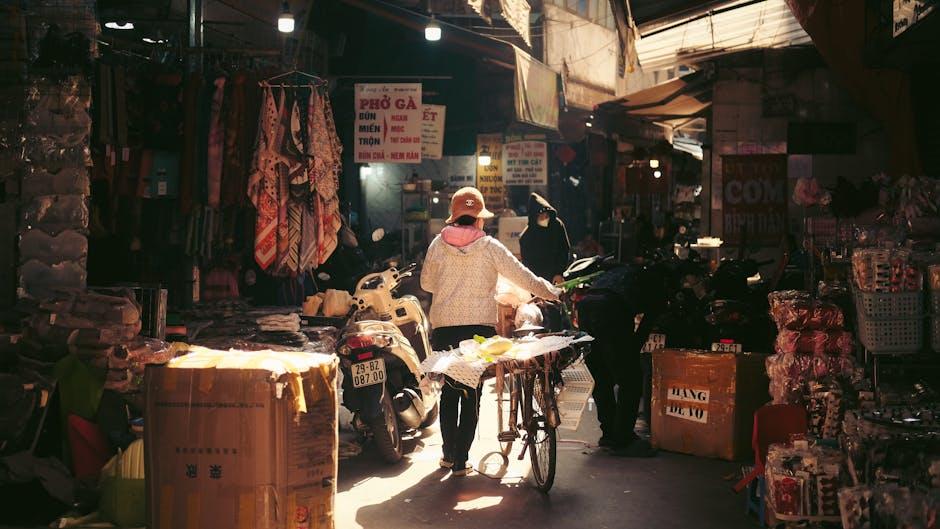
Crafting a Coexistence Strategies for Harmonizing Tradition and Tourism
In the delicate dance of maintaining cultural heritage while welcoming the influx of curious travelers, communities are crafting innovative approaches that honor the past while embracing the future. Community engagement lies at the heart of these strategies, ensuring that local voices are not just heard but are integral to decision-making processes. By creating platforms for dialogue between residents and tourism stakeholders, a shared vision can emerge, one that respects traditional values while recognizing the economic benefits tourism can bring.
Moreover, integrating tradition into the tourist experience can serve as a bridge between preservation and progress. This can be achieved through:
- Authentic cultural experiences that invite visitors to participate in local customs, fostering appreciation and understanding.
- Educational programs that inform tourists about the significance of cultural practices, encouraging respectful interactions.
- Supporting local artisans by promoting their crafts and products, ensuring that economic gains from tourism are reinvested in the community.
By weaving these elements into the fabric of tourism strategies, communities can protect their heritage while sharing their unique cultural tapestry with the world.
Empowering Local Voices Community-Led Approaches to Preservation
In the delicate dance between cultural preservation and the ever-increasing influx of tourists, communities are finding strength in grassroots initiatives. These community-led approaches are not only safeguarding traditions but also empowering local voices to take the lead in how their heritage is showcased. By prioritizing local input, these initiatives ensure that cultural practices remain authentic and meaningful, rather than mere spectacles for tourists. They serve as a beacon of hope, demonstrating that sustainable tourism can coexist with cultural integrity.
Communities are creatively employing strategies to achieve this balance, including:
- Hosting cultural workshops that invite tourists to learn and participate in traditional crafts and rituals, fostering a deeper appreciation.
- Developing local-led tour programs where residents share stories and experiences, offering genuine insights into their way of life.
- Collaborating with local artisans to create souvenirs that are both authentic and economically beneficial to the community.
- Implementing visitor education programs that emphasize respect for cultural norms and environmental conservation.
These strategies not only help preserve cultural heritage but also promote economic resilience within communities, creating a symbiotic relationship between locals and visitors. The key lies in community empowerment, allowing those who live the culture daily to define how it should be shared with the world.

Sustainable Tourism Models Innovative Practices for Protecting Cultural Identity
In the face of increasing tourism, communities worldwide are embracing innovative practices to protect their cultural heritage. By adopting sustainable tourism models, these communities are not only safeguarding their traditions but also enhancing the visitor experience. Community-based tourism is one such approach, where locals are directly involved in tourism management, ensuring that their cultural narratives remain authentic and undiluted. This model empowers communities to curate experiences that highlight their unique customs, from traditional dances to artisanal crafts, while maintaining control over how these traditions are presented to outsiders.
Another innovative practice is the implementation of cultural preservation funds sourced from tourism revenue. These funds are allocated to support cultural education, restoration projects, and traditional festivals. Moreover, technology plays a crucial role in these efforts. Virtual reality experiences and interactive storytelling platforms offer tourists a deeper understanding of the cultural context, reducing the pressure on physical sites. By integrating these models, communities can effectively balance the influx of tourists with the preservation of their cultural identity, ensuring that their traditions continue to thrive in a globalized world.
- Community-based tourism: Involves locals in tourism management.
- Cultural preservation funds: Use tourism revenue for cultural projects.
- Technology integration: Virtual reality and interactive storytelling.