




















In the intricate dance between modern wanderlust and the preservation of cultural legacies, destinations around the globe find themselves performing a delicate balancing act. “” delves into this nuanced interplay, exploring how communities strive to welcome eager travelers while safeguarding their rich histories and traditions. As the allure of exotic locales and ancient wonders continues to captivate the imagination of millions, the challenge lies in ensuring that these treasures endure for generations to come. Through the lens of this article, we embark on a journey to uncover the strategies, successes, and ongoing struggles that define the coexistence of tourism and cultural heritage, revealing the complex choreography required to maintain harmony between progress and preservation.
Striking a Delicate Balance Between Visitors and Legacy
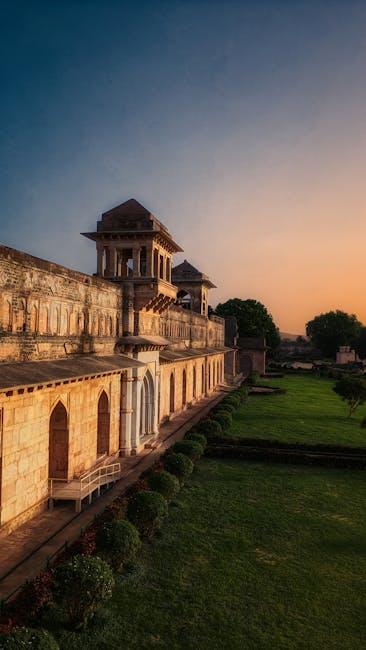
In today’s world, where wanderlust knows no bounds, the challenge of maintaining cultural integrity amidst burgeoning tourism is more pronounced than ever. The vibrancy of cultural sites draws visitors like moths to a flame, but the influx often threatens the very essence that makes these places unique. To ensure a harmonious coexistence, stakeholders must embrace innovative strategies that cater to both preservation and exploration. Sustainable tourism practices are key, focusing on minimizing the ecological footprint while enhancing the visitor experience.
Several approaches can be adopted to strike this delicate balance:
- Limiting Visitor Numbers: Implementing a cap on daily visitors to reduce wear and tear on historic sites.
- Promoting Off-Peak Travel: Encouraging travel during less popular times to alleviate crowding.
- Educating Tourists: Raising awareness about the cultural significance and fragility of sites.
- Collaborative Efforts: Engaging local communities in preservation efforts to foster a sense of ownership and pride.
By integrating these measures, we can ensure that the stories etched in stone and the traditions passed down through generations are not lost, allowing both history and tourism to thrive symbiotically.

Guardians of the Past: Protecting Cultural Treasures Amidst Growing Tourism
In the face of burgeoning tourist influxes, safeguarding our cultural heritage requires a delicate balancing act. Historical sites, ancient artifacts, and traditional practices face unprecedented pressures as the modern wanderer seeks to explore the past. While tourism brings economic benefits, it also poses significant risks to the integrity of these cultural treasures. The challenge lies in ensuring that the footsteps of the curious do not erode the very essence of what they seek to admire.
- Implementing sustainable tourism practices: Enforcing visitor limits and promoting off-peak travel to reduce congestion.
- Community involvement: Engaging local communities as stewards of their heritage, ensuring they benefit from tourism while protecting their cultural identity.
- Innovative technology: Utilizing digital tools for virtual tours and augmented reality experiences to minimize physical impact.
With the right strategies, it is possible to create a harmonious relationship between tourism and preservation. As travelers, we must tread lightly, cherishing the past while ensuring its survival for future generations.
Empowering Local Communities: Key to Sustainable Heritage Management
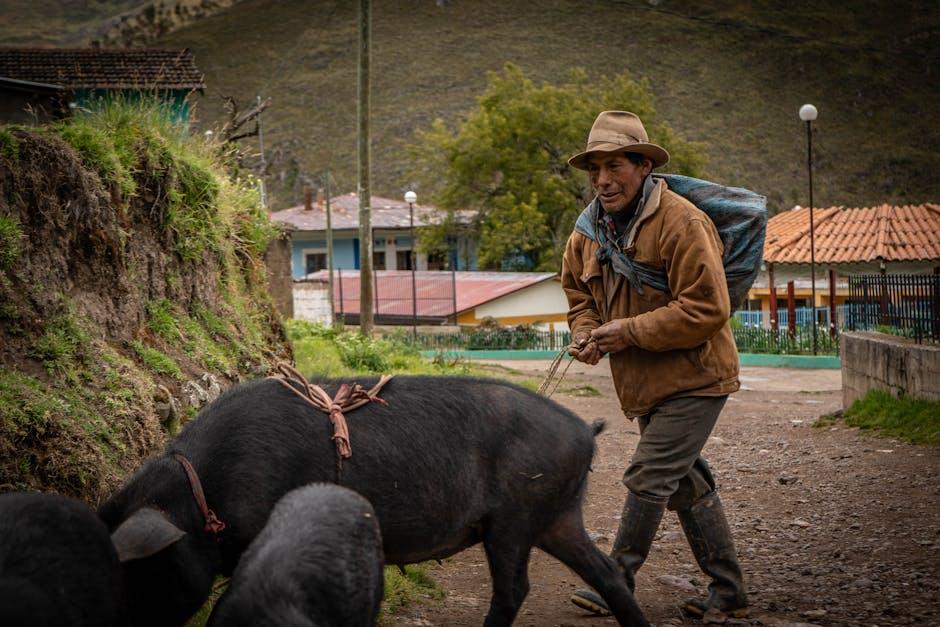
In the delicate dance between tourism and cultural heritage preservation, local communities play a pivotal role as stewards of their own history and traditions. By empowering these communities, we not only ensure the safeguarding of invaluable cultural assets but also promote sustainable development. This empowerment can take many forms, including capacity building, inclusive decision-making, and economic incentives. When locals are given a voice in how their cultural resources are managed, they become more invested in protecting them, thus creating a self-sustaining cycle of preservation and economic vitality.
- Capacity Building: Providing training and resources to locals enables them to manage and promote their heritage sites effectively.
- Inclusive Decision-Making: Involving community members in planning processes ensures that their perspectives and needs are prioritized.
- Economic Incentives: Offering opportunities for locals to benefit economically from tourism encourages them to support preservation efforts.
By nurturing these aspects, we create a resilient framework that not only protects cultural heritage but also enhances the visitor experience, making it richer and more authentic. This balance is crucial for maintaining the integrity of cultural sites while accommodating the growing demand for tourism.
Innovative Approaches to Harmonizing Tourism and Preservation
In recent years, a variety of innovative strategies have emerged to address the delicate balance between welcoming tourists and preserving cultural heritage. One approach is the use of digital technology to create virtual tours and augmented reality experiences. This allows tourists to explore historical sites without causing physical wear and tear. Additionally, community-based tourism initiatives are gaining traction, empowering local communities to manage tourism activities. This ensures that cultural narratives are presented authentically while providing economic benefits to the locals.
- Eco-friendly Infrastructure: Utilizing sustainable materials and designs to minimize environmental impact.
- Visitor Education Programs: Educating tourists about the significance and fragility of cultural sites.
- Capacity Management: Implementing ticketing systems to control the number of visitors at any given time.
Furthermore, partnerships between governments, NGOs, and private sectors are fostering collaborative conservation efforts. These partnerships work to ensure that tourism development plans incorporate the safeguarding of cultural sites. By engaging stakeholders at every level, from policymakers to local artisans, the tourism industry can evolve in harmony with heritage preservation, ensuring that cultural treasures remain intact for future generations.