

In the heart of bustling marketplaces and the serene whispers of ancient temples, the age-old rhythms of tradition dance alongside the vibrant beats of modern tourism. As travelers venture deeper into lands rich with history and culture, communities around the world face a complex challenge: how to welcome the world without losing their soul. “” explores this intricate choreography, where the past and present must harmonize, ensuring that the essence of a place is not lost amidst the footsteps of eager explorers. This article delves into the stories of those who navigate this balancing act, striving to preserve their heritage while embracing the opportunities that come with opening their doors to the world. Preserving Cultural Heritage in a Globalized World“>
Preserving Cultural Heritage in a Globalized World
In the intricate choreography of maintaining cultural heritage amidst the whirlwind of globalization, communities worldwide face the challenge of preserving their unique traditions while welcoming the world with open arms. As tourism burgeons, it brings both opportunities and threats to cultural identities. The dance of balance requires an understanding of how tourism can be both a friend and a foe to traditional practices. To achieve harmony, it’s crucial to establish sustainable tourism practices that respect and celebrate local cultures without diluting their essence. This involves a community-centered approach, where local voices lead the narrative and benefit from the influx of visitors.
- Empowering Local Communities: Ensure that locals have a say in tourism development and that profits are reinvested into the community.
- Education and Awareness: Inform tourists about the cultural significance of the places they visit, fostering respect and understanding.
- Responsible Tourism Practices: Encourage eco-friendly and culturally sensitive travel habits that minimize negative impacts.
- Authenticity Over Commercialization: Focus on genuine cultural experiences rather than staged performances that cater solely to tourist expectations.
In this delicate dance, the goal is to create a symbiotic relationship where both tradition and tourism thrive, ensuring that cultural heritage is not only preserved but also appreciated and enriched by a global audience.
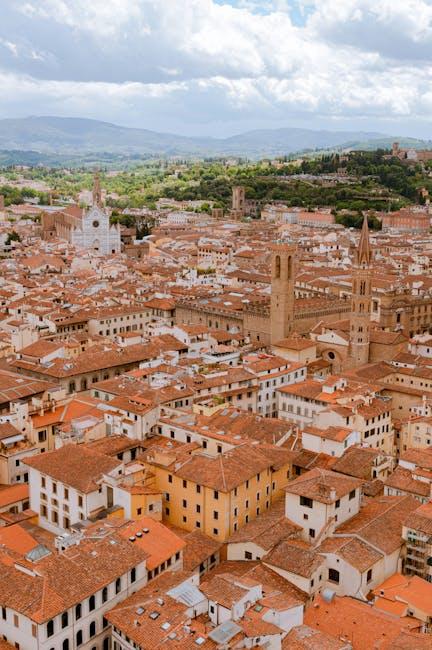
Navigating Economic Benefits Without Compromising Identity
In the quest to harness the economic potential of tourism, communities often face the challenge of maintaining their unique cultural identity. This intricate balance requires a strategic approach that respects both tradition and modern economic opportunities. The key lies in creating a framework that allows for cultural preservation while embracing the influx of tourists. Here are some strategies that can help achieve this delicate balance:
- Community Involvement: Engage local residents in decision-making processes to ensure that tourism development aligns with their values and traditions.
- Sustainable Practices: Implement environmentally friendly practices that preserve natural and cultural resources for future generations.
- Cultural Education: Offer educational programs for tourists to foster appreciation and respect for the local culture and traditions.
- Authentic Experiences: Promote tourism experiences that are genuine and reflective of the community’s heritage, rather than staged or commercialized attractions.
By integrating these strategies, communities can navigate the complexities of economic benefits from tourism while staying true to their cultural roots, ensuring that their identity remains intact and vibrant for generations to come.
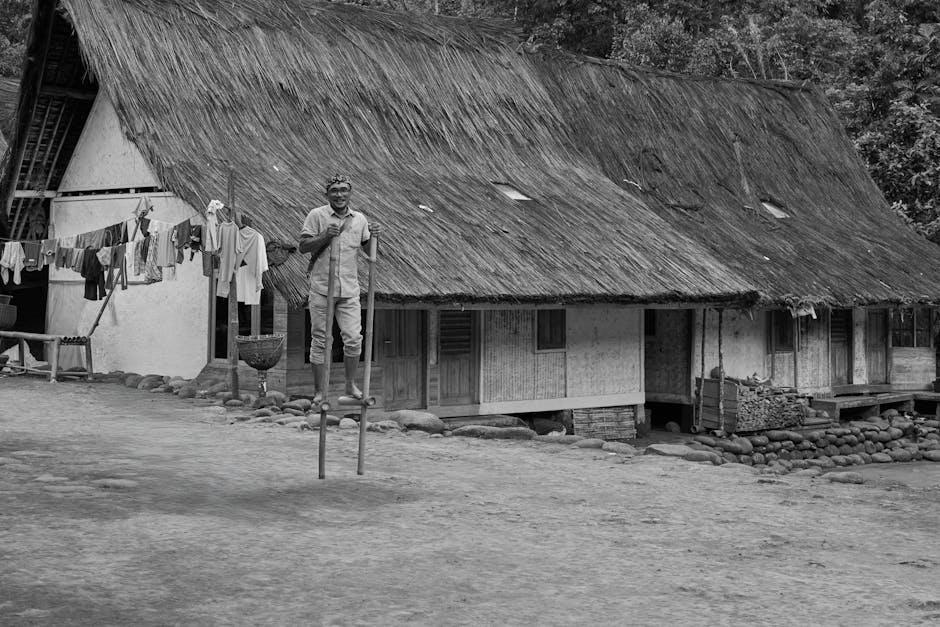 Sustainable Tourism Practices“>
Engaging Local Communities in Sustainable Tourism Practices
In the pursuit of a harmonious relationship between tradition and tourism, engaging local communities is essential. Sustainable tourism practices can be woven into the cultural fabric by involving community members as active stakeholders. This approach not only ensures the preservation of cultural heritage but also empowers locals economically and socially. By integrating traditional knowledge with contemporary tourism trends, communities can offer unique experiences that attract visitors while safeguarding their identity.
- Collaborative Workshops: Encourage dialogue between locals and tourism developers to foster mutual understanding and respect.
- Cultural Festivals: Host events that celebrate local traditions, offering tourists a chance to participate and learn.
- Eco-friendly Initiatives: Implement practices that minimize environmental impact, such as waste reduction and sustainable transport options.
By adopting these strategies, communities can transform tourism into a platform for cultural exchange and environmental stewardship. It is a delicate balance that requires continuous effort and adaptation, but the rewards—a thriving culture and a sustainable future—are well worth it.
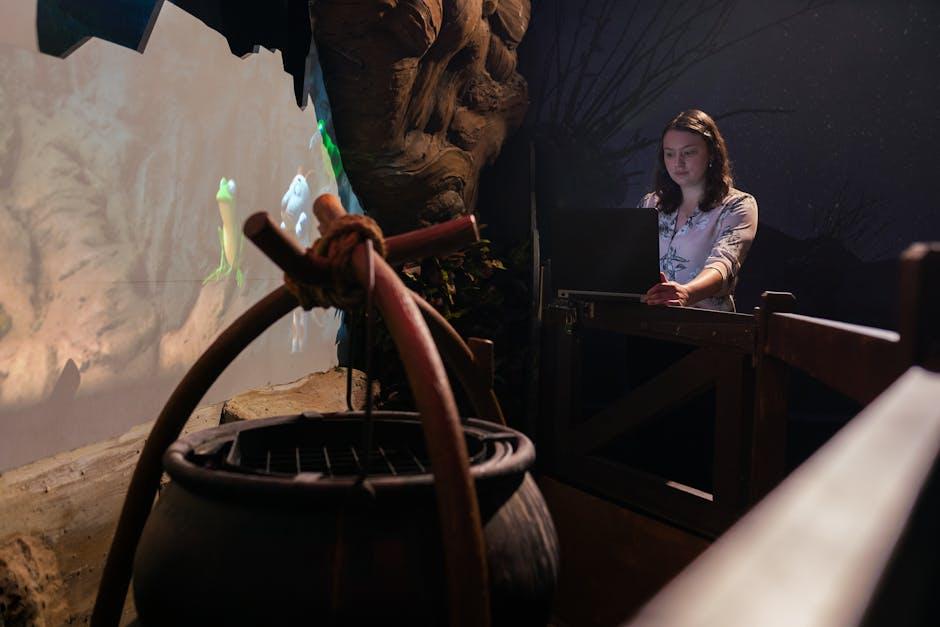
Innovative Strategies for Harmonizing Visitor Experience and Tradition
In the ever-evolving landscape of global tourism, the challenge of maintaining the delicate balance between preserving cultural heritage and enhancing visitor experiences is a common thread across destinations. Innovative strategies are essential in ensuring that tourism does not overshadow tradition but rather complements it. Embracing technology can play a pivotal role; for instance, augmented reality apps can provide visitors with immersive historical tours without altering physical sites. Similarly, virtual reality can recreate cultural festivals, allowing tourists to participate remotely while reducing the strain on local communities.
- Community Involvement: Engaging local communities in tourism planning ensures that their voices are heard and their traditions respected.
- Seasonal Scheduling: Organizing events during off-peak seasons can distribute visitor numbers more evenly throughout the year.
- Storytelling: Leveraging local narratives and oral histories can enrich visitor understanding and appreciation of cultural nuances.
Ultimately, the key lies in fostering a symbiotic relationship where both tradition and tourism thrive, creating a sustainable future that honors the past while embracing the present.