





















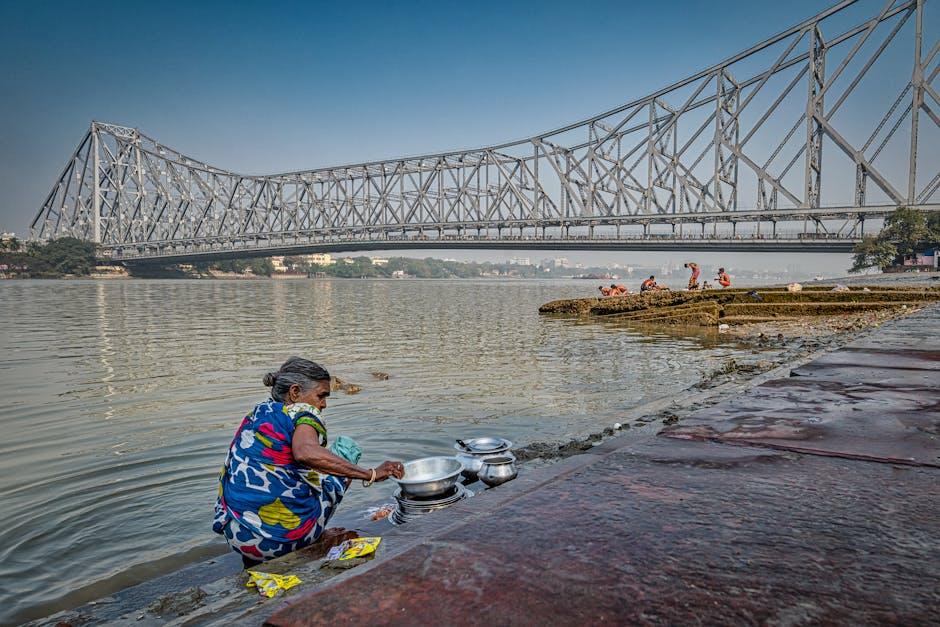
In a world where travel is often synonymous with relaxation and indulgence, a new trend is emerging that challenges traditional notions of what a vacation can be. Imagine trading sun-soaked beaches for bustling markets, and luxury resorts for humble abodes. This is the essence of “poverty tourism,” a controversial form of travel that invites participants to step into the shoes of those living in poverty. But as this trend gains traction, it raises a fundamental question: is it an enriching experience that fosters empathy and understanding, or does it tread uncomfortably close to exploitation? In this article, we delve into the complexities of poverty tourism, examining whether it serves as an eye-opening family vacation or presents an ethical dilemma that demands our attention.
Navigating the Complex Terrain of Poverty Tourism
In recent years, the practice of poverty tourism has sparked a contentious debate among travelers and ethicists alike. While some argue that these excursions offer a raw, unfiltered glimpse into the lives of those less fortunate, others contend that they exploit vulnerable communities for the sake of entertainment. This ethical dilemma raises several crucial questions:
- Authenticity vs. Exploitation: Are travelers genuinely seeking to understand the socioeconomic challenges faced by impoverished communities, or are they merely indulging in a voyeuristic pursuit?
- Empowerment or Objectification: Does the presence of tourists provide opportunities for local development, or does it reduce individuals to mere spectacles?
- Intentions and Impact: Are the intentions of travelers aligned with positive outcomes for the communities they visit, or do they inadvertently perpetuate harmful stereotypes?
The delicate balance between raising awareness and respecting the dignity of those living in poverty requires thoughtful consideration. It challenges travelers to question their motives and the potential impact of their visits, urging them to seek meaningful engagement over superficial observation.
Understanding the Impact on Local Communities
The intricate relationship between tourism and local communities often sparks a complex dialogue about ethics and impact. When tourists flock to impoverished areas, their presence can act as a double-edged sword. On one hand, it brings economic opportunities such as employment and the growth of small businesses. Tourists often engage in local markets, dine at local eateries, and utilize local guides, injecting much-needed cash into the community. However, the benefits aren’t always evenly distributed, and the sudden influx of visitors can sometimes lead to increased living costs for residents, pricing them out of their own neighborhoods.
- Economic Boost: Creation of jobs and support for local businesses.
- Cultural Exchange: Opportunities for meaningful interactions and understanding.
- Infrastructure Strain: Overcrowding can lead to overuse of local resources.
- Social Dynamics: Shifts in community structure and potential cultural dilution.
Beyond economics, there is a deeper, more nuanced effect on the social fabric of these communities. The presence of tourists can lead to a shift in cultural dynamics, sometimes resulting in a loss of traditional practices as communities adapt to meet tourist expectations. Cultural preservation versus adaptation becomes a point of contention, as the identity of a place may slowly transform. Understanding these multifaceted impacts is crucial for travelers who wish to engage responsibly, ensuring their presence contributes positively to the communities they visit.
Balancing Curiosity with Compassionate Engagement
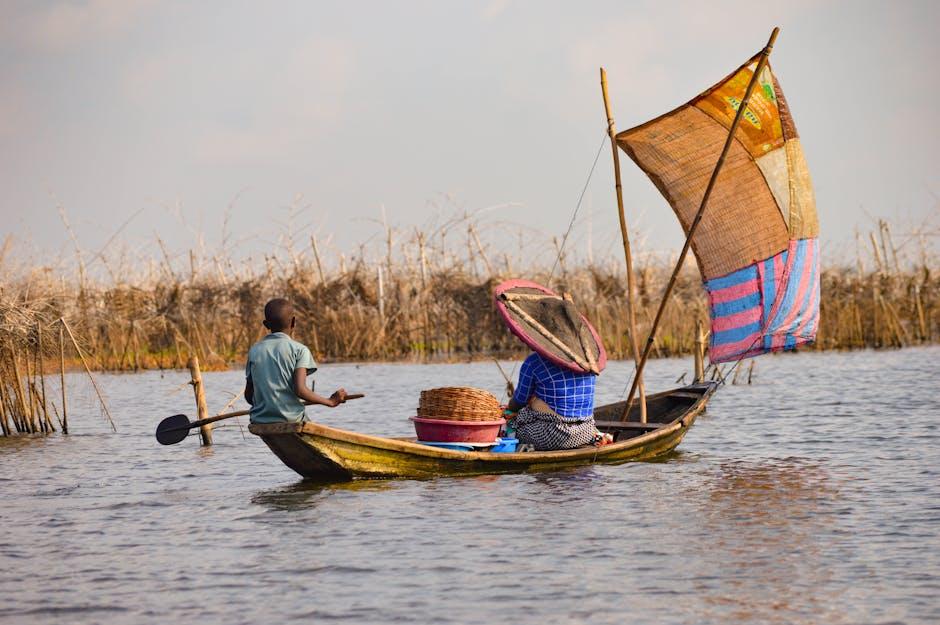
When exploring poverty-stricken areas, it’s crucial to find a balance between natural curiosity and genuine empathy. The line between learning and voyeurism can often blur, making it essential to approach such experiences with a mindful heart. Instead of merely observing, engage in conversations that are respectful and informed, allowing for a mutual exchange of perspectives. This approach not only broadens one’s understanding but also honors the dignity of those whose lives are being explored.
Consider these practices to ensure your engagement is compassionate and ethical:
- Listen Actively: Prioritize listening over speaking to truly understand the narratives of those living in poverty.
- Educate Yourself: Research the historical and socio-economic factors that contribute to poverty in the region you are visiting.
- Support Local Initiatives: Contribute to or volunteer with local organizations that aim to uplift the community.
- Reflect on Intentions: Regularly assess your motivations to ensure they are aligned with promoting understanding and positive change.
By integrating curiosity with compassionate action, we can transform potential ethical dilemmas into opportunities for meaningful connection and learning.

Guidelines for Ethical and Respectful Travel Choices
When planning a trip that brings you face-to-face with the realities of poverty, it is crucial to make choices that are both ethical and respectful. Consider these guidelines to ensure your travel decisions are responsible and considerate:
- Educate Yourself: Before embarking on your journey, invest time in understanding the socio-economic background of the destination. Knowledge fosters empathy and informed interactions.
- Support Local Economies: Opt for locally-owned accommodations and eateries. Your spending can significantly contribute to the community’s well-being, promoting sustainable development.
- Respect Cultural Norms: Be mindful of local customs and traditions. Observing cultural etiquette not only shows respect but also enriches your travel experience.
- Engage Thoughtfully: Avoid voyeuristic behavior by seeking meaningful engagement. Participate in community-led tours or volunteer opportunities that are ethical and have a lasting positive impact.
- Reflect on Intentions: Assess your motivations for visiting impoverished areas. Ensure that your intentions align with ethical standards and that your presence is not exploitative.
By adhering to these principles, travelers can navigate the delicate balance between exploration and exploitation, transforming potential ethical dilemmas into opportunities for positive impact.