






















In a world where borders are blurring and cultures are converging, the allure of exploring distant lands is more enticing than ever. Yet, as any seasoned traveler will attest, the journey is often as complex as it is thrilling, particularly when it involves destinations where customs regulations are as intricate as the local tapestries. “” serves as your compass through this labyrinth of rules and rituals. Whether you’re a globetrotter chasing the next adventure or a business traveler venturing into uncharted territories, this guide offers insights and strategies to help you sail smoothly through the seas of bureaucracy. From understanding the nuances of duty declarations to mastering the art of packing, prepare to embark on a voyage where knowledge is your most valuable passport.
Understanding Cultural Nuances and Their Impact on Customs
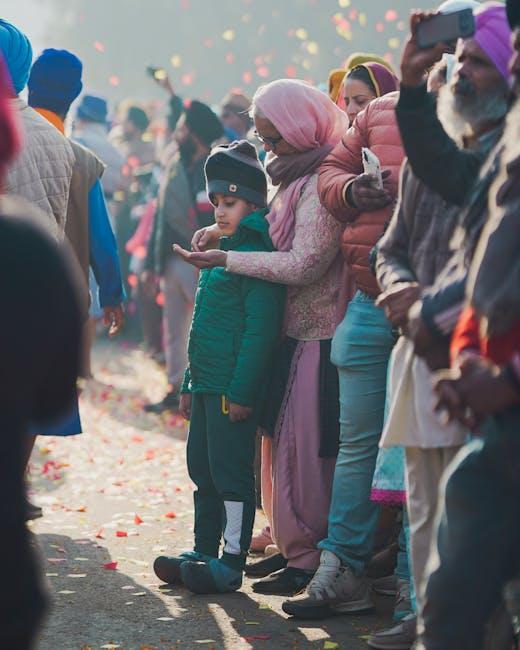
In today’s globalized world, understanding the intricacies of cultural nuances is crucial for seamless travel, especially when visiting rule-heavy destinations. Customs, which are often deeply rooted in cultural traditions, can vary significantly from one country to another. These customs are not merely about etiquette; they reflect a society’s history, values, and social norms. Recognizing these differences can make the difference between a smooth journey and an inadvertent faux pas.
- Dress Code Sensitivity: In many cultures, appropriate attire is not just a matter of fashion but a sign of respect. For instance, covering shoulders and knees might be essential in religious sites or traditional communities.
- Communication Styles: The way people communicate can be vastly different. While some cultures value directness, others may prefer a more indirect approach. Understanding this can help in avoiding misunderstandings.
- Gift-Giving Etiquette: Gifts can be a wonderful way to show appreciation, but they can also be a minefield. Knowing whether to open a gift in front of the giver or the significance of certain items can be crucial.
- Dining Etiquette: From the use of chopsticks in East Asia to the communal sharing of food in the Middle East, dining customs can offer insight into a culture’s values and social structures.
By immersing oneself in the local customs and understanding their origins, travelers can not only avoid potential pitfalls but also enrich their travel experiences, fostering genuine connections with the places they visit.
Essential Documentation: What You Need Before You Depart
Before embarking on your journey to destinations known for stringent customs regulations, it’s crucial to gather all the necessary documentation to ensure a smooth passage. Start by securing your passport and visa—these are your primary travel credentials. Make sure they are valid for at least six months beyond your intended return date. Depending on your destination, you may also need a return or onward ticket to prove your travel intentions.
Consider compiling a folder of essential documents for quick access. This might include:
- Copies of your passport and visa
- Travel insurance details
- Proof of accommodation
- Itinerary with contact details
- Vaccination records, if required
These documents will not only help you clear customs but also serve as a safety net in case of any unexpected situations. Organizing these papers before you leave will provide peace of mind and prepare you for any document checks or questions you might face upon arrival.

Packing Smart: Items to Declare and Avoid
Traveling to destinations with stringent customs regulations can be daunting, but packing smartly can alleviate much of the stress. Declaring the right items is crucial. Always declare high-value electronics, luxury goods, and large sums of cash to avoid fines or confiscation. It’s wise to carry documentation for expensive items, such as receipts or insurance papers, to substantiate their origin and value.
- Food Items: Be cautious with perishable goods. Some countries have strict rules against fruits, vegetables, and meats.
- Medications: Declare prescription medications and carry a doctor’s note or prescription to verify their necessity.
- Cultural Artifacts: Items that may be considered cultural treasures should be declared to prevent legal issues.
On the flip side, there are items best left at home to avoid complications. Avoid packing anything that could be considered a weapon or a potential threat, even if it’s for recreational purposes, like certain sporting goods. Also, steer clear of packing counterfeit goods, as they can lead to severe penalties in many countries.
Smooth Sailing Through Customs: Insider Tips for a Stress-Free Experience
When preparing for your journey to destinations known for their stringent customs regulations, a little foresight can go a long way. Researching ahead is crucial; familiarize yourself with the specific rules and prohibited items for your destination. Many countries have unique restrictions, such as bans on certain foods, medications, or electronics. Ensuring you have all necessary documentation, including visas and vaccination certificates, will help prevent unnecessary delays.
- Declare everything: Honesty is the best policy. Declaring items can save you from fines or confiscation.
- Know your limits: Be aware of duty-free allowances and ensure you do not exceed them.
- Organize documents: Keep all travel documents in one accessible place to streamline the process.
- Pack smart: Place items you might need to declare at the top of your luggage for easy access.
Lastly, patience is your ally. Long lines and thorough inspections are common, but maintaining a calm demeanor can ease your passage through customs. By adopting these strategies, you can turn a potentially daunting experience into a seamless transition into your next adventure.