






















In the bustling corridors of international airports and the winding roads of border crossings, travelers often find themselves facing the enigmatic world of customs regulations. These rules, seemingly labyrinthine in nature, can transform a dream vacation into a logistical puzzle. “” is your guide through this intricate maze, offering insights and strategies to ensure a seamless journey. Whether you’re a seasoned globetrotter or embarking on your first adventure abroad, this article will equip you with the knowledge to deftly handle even the most stringent customs checks. Prepare to uncover the secrets to a hassle-free experience as we demystify the complexities of international travel, one tip at a time.
Understanding Cultural Nuances at Border Crossings
Crossing borders is more than just moving from one country to another; it’s an entry into a new cultural realm. Understanding and respecting these cultural nuances can make the journey smoother and more enriching. Local customs often dictate behavior at border crossings, and being aware of these can be pivotal. For instance, some countries expect travelers to greet customs officers with a formal salutation, while others might appreciate a simple nod or smile. Patience and politeness are universally appreciated, but the way they are expressed can vary significantly.
- Dress Appropriately: Some cultures have specific dress codes, especially in regions where traditional attire is prevalent. Dressing conservatively might be a sign of respect.
- Language Matters: Even a few words in the local language can go a long way. Learning basic phrases like “hello” and “thank you” can create a positive impression.
- Non-Verbal Cues: Be mindful of gestures and body language. What might be considered friendly in one country could be offensive in another.
- Gift Giving: In certain cultures, offering a small gift or token of appreciation to customs officials is customary. However, always ensure this is done within legal and ethical boundaries.
By embracing these cultural nuances, travelers can not only avoid misunderstandings but also enrich their travel experiences, turning what could be a routine procedure into an opportunity for meaningful cultural exchange.

Packing Smart for Smooth Customs Clearance
Embarking on international journeys can be exhilarating, yet the specter of customs clearance often looms large. Smart packing is the key to ensuring a hassle-free passage through customs. Begin by researching the specific regulations of your destination, as each country may have unique restrictions on items such as food, electronics, and medicines. Adhere to these guidelines to avoid unnecessary delays or fines.
- Organize Documentation: Keep all necessary documents, such as passports, visas, and declarations, easily accessible.
- Declare Valuables: Clearly declare any high-value items to prevent misunderstandings.
- Limit Liquids: Follow the 3-1-1 rule for liquids in carry-ons to streamline security checks.
- Avoid Prohibited Items: Check the list of prohibited items for both your departure and arrival countries.
Utilizing transparent, resealable bags for toiletries and electronics can further expedite the inspection process. By following these smart packing strategies, you can glide through customs with ease, focusing on the adventure that lies ahead.
Mastering the Art of Documentation for Hassle-Free Travel
In the realm of global exploration, having well-organized travel documentation can be your greatest ally. A seamless journey often hinges on how adeptly you prepare your paperwork. Here are some essential tips to ensure your travel documents are in impeccable order:
- Double-Check Validity: Ensure your passport is valid for at least six months beyond your intended return date. This small detail can prevent major inconveniences.
- Secure Copies: Make both physical and digital copies of all essential documents, including your passport, visa, and travel insurance. Store these in different locations, such as your carry-on and cloud storage.
- Know the Requirements: Familiarize yourself with the specific documentation requirements of your destination. Some countries may require additional forms, such as vaccination records or entry permits.
- Organize with Precision: Use a travel wallet or app to keep all your documents easily accessible and organized. This will not only save time at customs but also reduce stress during your travels.
By mastering the art of documentation, you pave the way for a hassle-free travel experience, allowing you to focus on the wonders of your journey rather than bureaucratic hurdles.
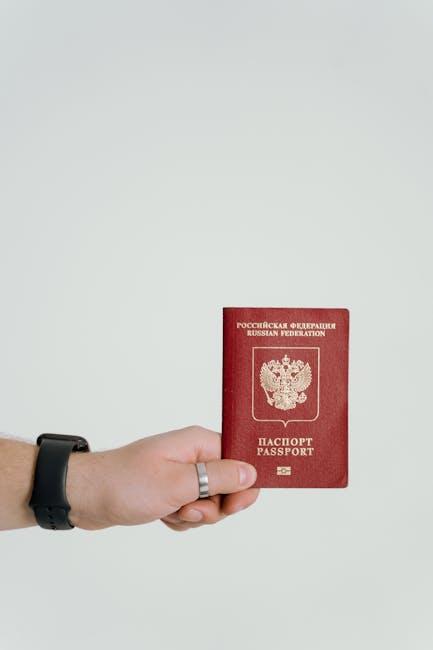
Proven Strategies for Communicating with Customs Officials
Effectively communicating with customs officials can significantly streamline your travel experience. Preparation is key; ensure you have all necessary documents readily accessible, such as your passport, visa, and any required declarations. It’s also helpful to familiarize yourself with local customs regulations to avoid any misunderstandings.
- Be concise and clear: Answer questions directly without offering additional information unless requested.
- Maintain a respectful demeanor: Politeness goes a long way in easing tensions and fostering a cooperative atmosphere.
- Avoid jokes or sarcasm: Customs is a serious matter, and humor can often be misinterpreted, leading to unnecessary complications.
By adhering to these strategies, you can navigate customs with confidence and minimize the likelihood of delays or issues. Remember, a calm and informed approach is your best tool in ensuring a smooth passage.