





















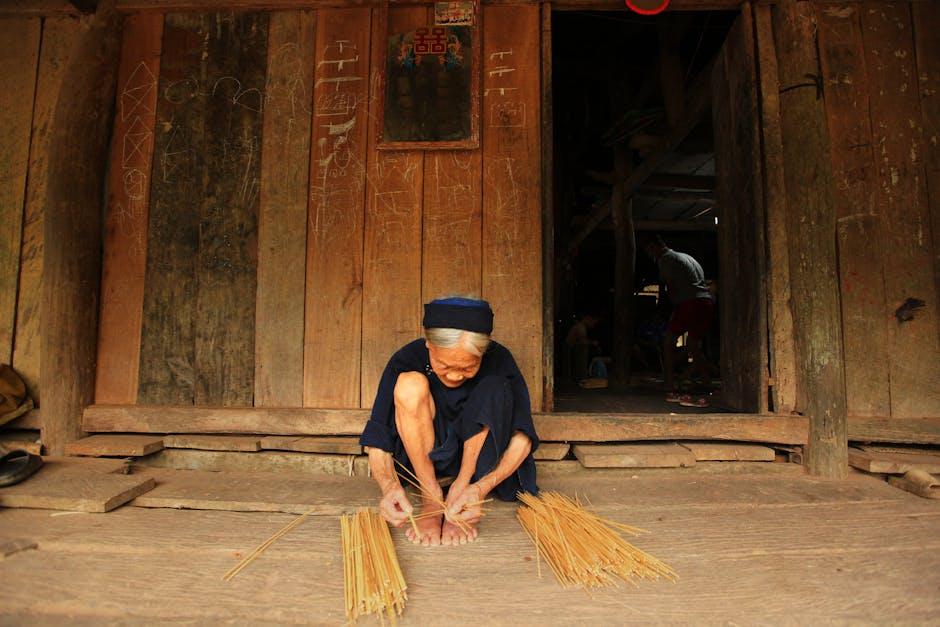
In the heart of bustling marketplaces and beneath the shadows of towering monuments, a delicate dance unfolds—a dance between the past and the present, tradition and transformation. As the world becomes more interconnected, tourism emerges as both a blessing and a challenge, breathing life into local economies while threatening the very customs that make each destination unique. “” delves into this intricate interplay, exploring how communities around the globe strive to maintain their cultural heritage in the face of growing external influences. Through the eyes of artisans, storytellers, and guardians of age-old practices, this article uncovers the resilience and creativity required to safeguard the essence of local identity while embracing the opportunities tourism presents. Join us on a journey to discover how tradition can coexist with change, creating a tapestry of experiences that honor the past while welcoming the future.
Cultural Guardianship in a Globalized World
In the age of globalization, the vibrancy of local customs is often at risk of being overshadowed by the influx of tourism. As communities open their doors to international visitors, the challenge lies in safeguarding the unique cultural tapestry that defines them. One way to achieve this is through the empowerment of local artisans and performers, who serve as the custodians of these traditions. By offering workshops and interactive experiences, tourists can engage authentically with the culture, learning directly from those who have inherited these practices through generations. This not only provides a platform for cultural exchange but also ensures that the knowledge and skills remain within the community.
Another approach is the establishment of cultural preservation initiatives that promote sustainable tourism. These initiatives often involve partnerships between local governments, community leaders, and tourism boards to develop strategies that protect cultural sites and practices. By implementing guidelines that encourage respectful engagement, such as:
- Limiting visitor numbers to sensitive sites
- Promoting the use of local guides
- Encouraging the purchase of locally made crafts
- Supporting community-led festivals
Such measures ensure that the cultural heritage is not only preserved but also appreciated in its most authentic form. In doing so, tourism becomes a vehicle for cultural enrichment rather than a force of cultural erosion.
Balancing Act: Tradition Meets Tourism
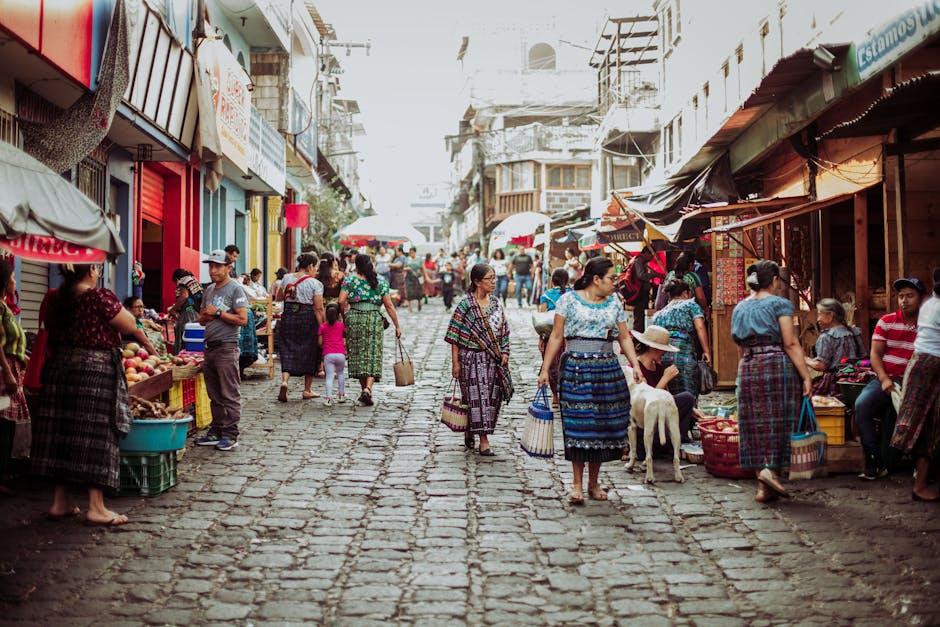
In many regions, the influx of tourists brings both opportunity and challenge. While tourism can breathe new life into local economies, it also poses a risk to the preservation of cultural heritage. Communities are now tasked with the delicate balancing act of showcasing their unique traditions without diluting their essence. Local artisans find themselves at the forefront of this endeavor, striving to maintain the authenticity of their crafts while catering to a global audience.
- Cultural Workshops: Offering hands-on experiences allows visitors to engage deeply with local traditions, fostering appreciation and respect.
- Eco-friendly Practices: Encouraging sustainable tourism helps protect the natural and cultural landscapes that are often integral to local customs.
- Community Involvement: Ensuring that local voices lead the narrative ensures that traditions are represented accurately and respectfully.
The harmony between tradition and tourism is not easily achieved, yet it is essential for the survival of cultural identities. By thoughtfully integrating tourism with cultural preservation efforts, communities can celebrate their heritage while inviting the world to partake in its beauty.

Reviving Heritage Through Community Initiatives
In the face of growing tourism, communities are finding innovative ways to safeguard their cultural legacy. Local traditions, once overshadowed by the allure of modern attractions, are experiencing a renaissance through community-driven initiatives. These grassroots efforts are not only preserving the past but also fostering a deeper connection between residents and visitors. By organizing workshops and festivals that celebrate indigenous art forms, traditional music, and age-old culinary practices, communities are crafting immersive experiences that highlight their unique cultural identity.
- Collaborative Art Projects: Local artisans collaborate with visitors to create public art that tells the story of the community.
- Cultural Exchange Programs: Interactive sessions where tourists can learn about traditional crafts, dance, and music from local experts.
- Heritage Trails: Guided tours that explore historical sites and share stories of the past, offering a richer perspective beyond typical tourist attractions.
These initiatives not only keep traditions alive but also provide economic opportunities for locals, ensuring that the community thrives alongside the tourism industry. By placing emphasis on authentic experiences, these programs offer a refreshing counter-narrative to the often-commercialized tourism landscape.
Empowering Local Voices in the Tourism Dialogue
In the bustling exchange between tourists and local communities, the unique tapestry of local traditions often faces the risk of being overshadowed. It’s crucial to foster a dialogue where local voices are not only heard but are pivotal in shaping the tourism narrative. This involves celebrating indigenous customs, sharing the richness of local folklore, and promoting the craftsmanship of traditional artisans. By doing so, we ensure that the essence of a community is not diluted but rather amplified, offering tourists an authentic and enriching experience.
- Promote Cultural Heritage: Encourage storytelling and cultural workshops led by local elders.
- Support Local Artisans: Prioritize souvenirs and products crafted by local hands.
- Encourage Sustainable Practices: Educate tourists on eco-friendly practices that respect local traditions.
By weaving these practices into the tourism dialogue, we not only preserve but also celebrate the intricate cultural mosaics that make each destination unique. Empowering local voices ensures that tourism becomes a collaborative journey, one where visitors and hosts alike contribute to a richer, more sustainable cultural exchange.