






















In an era where the allure of the new often overshadows the whispers of the past, the challenge of preserving cultural heritage while accommodating the insatiable demands of tourism emerges as a delicate dance. “” delves into this intricate interplay, where the vibrant tapestry of history is both a beacon for travelers and a cornerstone for communities. As ancient festivals find themselves reimagined for international audiences and sacred sites transform into must-see destinations, the quest to maintain authenticity while embracing global curiosity becomes ever more pressing. This article explores the strategies and stories of those who navigate this complex landscape, striving to ensure that the soul of a culture remains unblemished amidst the ever-growing tide of tourism.
Embracing Heritage: Navigating the Intersection of Culture and Tourism
As the world becomes more interconnected, the fusion of culture and tourism presents both opportunities and challenges. While tourism can breathe life into cultural heritage, it also risks diluting the very traditions it seeks to celebrate. To navigate this delicate balance, communities must engage in thoughtful planning and strategic preservation efforts. This involves fostering a deep understanding of local customs, rituals, and histories, ensuring they are not overshadowed by the commercial demands of tourism. In doing so, cultures can maintain their authenticity while offering enriching experiences to visitors.
- Community Involvement: Empower local voices to take an active role in shaping tourism strategies.
- Sustainable Practices: Implement eco-friendly and culturally respectful tourism models.
- Education and Awareness: Promote understanding of cultural significance among tourists and stakeholders.
- Partnerships: Foster collaborations between cultural custodians, local governments, and tourism operators.
Cultural Preservation in a Modern World: Strategies for Success
As global tourism continues to rise, communities worldwide face the challenge of maintaining their cultural heritage while meeting the demands of an ever-increasing number of visitors. Striking a balance between cultural preservation and tourism can be achieved through strategic planning and community engagement. Empowering local communities is essential; by involving them in decision-making processes, they can ensure that cultural practices remain authentic and meaningful. Additionally, educational programs for tourists can foster a deeper understanding and respect for local traditions, promoting responsible tourism.
- Community-Based Tourism Initiatives: These initiatives allow locals to share their cultural heritage directly with visitors, providing an authentic experience while keeping control within the community.
- Regulated Tourism Policies: Establishing limits on visitor numbers and implementing policies that prioritize cultural preservation can mitigate the negative impacts of mass tourism.
- Investment in Infrastructure: Supporting local infrastructure that caters to both residents and tourists can help manage the flow of visitors without compromising cultural sites.
By focusing on these strategies, communities can protect their cultural identity while still benefiting economically from tourism. The key lies in creating a symbiotic relationship where both culture and tourism can thrive together, ensuring that traditions are not only preserved but celebrated.
Tourism and Tradition: Crafting a Harmonious Coexistence
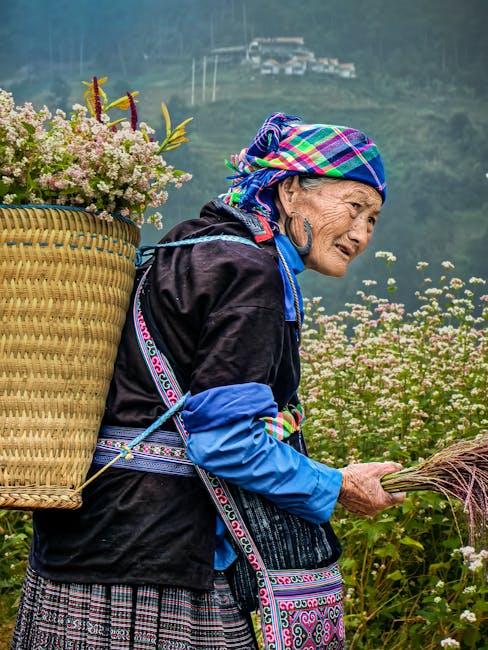
In a world increasingly interconnected, the delicate dance between tradition and tourism becomes a testament to cultural resilience. The challenge lies in safeguarding the authenticity of local customs while meeting the growing demands of tourism. Communities around the globe are finding innovative ways to craft a harmonious coexistence. One effective strategy is the integration of cultural experiences that invite tourists to participate in rather than just observe local traditions. By doing so, visitors gain a deeper understanding and appreciation, while communities maintain control over how their culture is represented.
Moreover, several regions are adopting policies that emphasize the protection of intangible cultural heritage. These include:
- Cultural immersion programs that offer hands-on workshops and traditional craft-making experiences.
- Collaborative events where tourists and locals come together to celebrate cultural festivals.
- Sustainable tourism initiatives that limit visitor numbers to sensitive cultural sites.
These measures, when effectively implemented, can ensure that tourism serves as a conduit for cultural preservation rather than a force of erosion. The ultimate goal is to foster an environment where culture and tourism are not at odds, but rather intertwined, each enriching the other.

Balancing Act: Practical Approaches to Sustain Cultural Integrity
In the delicate dance of honoring traditions while embracing tourism, communities worldwide face the challenge of maintaining their unique cultural essence. Striking a balance requires innovative strategies that respect both cultural heritage and economic opportunities. One approach is to empower local artisans and cultural bearers by integrating them into the tourism framework. This can be achieved by creating platforms for cultural exchange, such as workshops and interactive sessions, where visitors can learn directly from the community. By involving locals in the storytelling of their own heritage, not only is authenticity preserved, but it also fosters a sense of pride and ownership.
Another effective strategy involves the establishment of cultural preservation funds. These funds can be sourced from a small percentage of tourism revenue, ensuring that a portion of the economic gain is reinvested into the community. This can support the maintenance of historic sites, the revival of traditional crafts, and the protection of indigenous languages. Additionally, promoting sustainable tourism practices such as limiting visitor numbers to sensitive areas and encouraging off-peak travel can help alleviate the pressure on cultural sites, allowing them to thrive without being overwhelmed. Through these thoughtful approaches, the vibrancy of cultural heritage can be sustained, creating a harmonious synergy between tradition and modern tourism demands.