
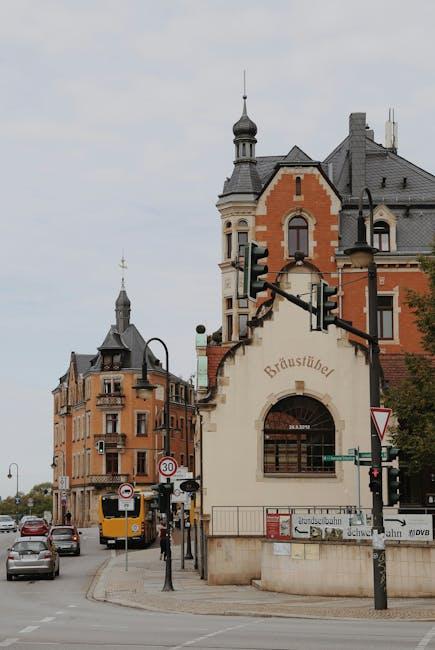
In the bustling heart of a centuries-old city, where cobblestone streets echo with the whispers of history, a new kind of traveler has emerged. Armed with smartphones and digital maps, these modern explorers flock to sites of cultural significance, eager to capture the perfect snapshot of the past. Yet, as the world becomes more interconnected and accessible, a paradox unfolds: tourism, while a vital lifeline for local economies and a bridge between cultures, simultaneously poses a grave threat to the very heritage it seeks to celebrate. This delicate balance, akin to walking a tightrope, invites us to explore the intricate dance between preservation and progress. In this article, we delve into the complex relationship between tourism and cultural heritage, examining how the global appetite for exploration can both illuminate and imperil the treasured legacies of our shared human history.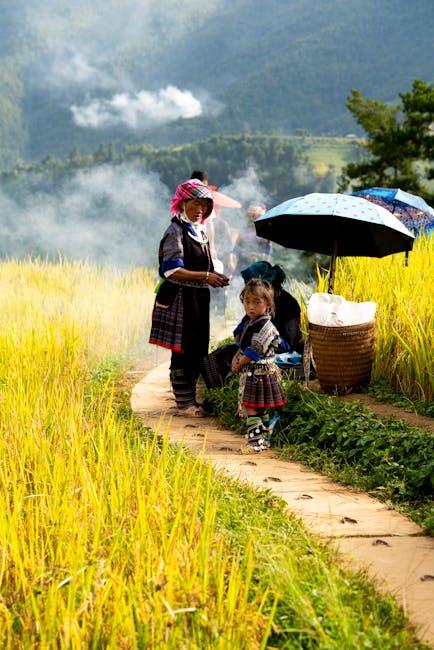
Balancing Act: Preserving Culture While Welcoming Visitors
In the delicate dance of cultural preservation amidst burgeoning tourism, communities find themselves at a crossroads. Welcoming visitors offers the allure of economic growth and cultural exchange, yet it can inadvertently place a strain on the very heritage it seeks to celebrate. Striking the right balance requires intentional strategies and collaborative efforts.
- Engage Local Communities: Empower residents to be active participants in tourism development, ensuring their voices shape the narrative.
- Implement Sustainable Practices: Encourage eco-friendly tourism initiatives that minimize environmental impact and preserve historical sites.
- Promote Cultural Education: Offer educational programs for both tourists and locals to foster mutual respect and understanding.
Through thoughtful planning and a commitment to sustainability, it’s possible to nurture a tourism industry that both celebrates and safeguards cultural heritage, ensuring that future generations inherit a legacy as rich and vibrant as the past.
Impact Assessment: How Tourism Transforms Local Heritage
Tourism undeniably breathes life into local economies, offering opportunities for cultural exchange and economic growth. Yet, this influx of visitors can become a paradoxical force, challenging the very essence of the heritage it seeks to celebrate. Cultural erosion is a potential consequence, where local traditions may be diluted or commercialized to cater to tourist expectations. The allure of economic gain often leads to the prioritization of tourist-friendly adaptations, sometimes at the expense of authentic practices. Additionally, the physical strain on historical sites can be immense, leading to accelerated wear and tear that outpaces conservation efforts.
- Economic Boost: Increased revenue and job creation.
- Cultural Exchange: Opportunities for learning and interaction.
- Resource Strain: Pressure on local infrastructure and services.
- Environmental Impact: Potential for pollution and habitat disruption.
Conversely, tourism can act as a catalyst for heritage preservation, galvanizing communities to safeguard their cultural assets. Funding generated from tourism can be channeled into restoration projects, educational programs, and infrastructure improvements, fostering a deeper appreciation for local heritage. Moreover, by engaging tourists with authentic experiences, communities can promote sustainable practices that respect and preserve their cultural landscapes. The key lies in balancing the scales—leveraging the economic benefits while implementing policies that protect and honor the unique cultural identity of each locale.
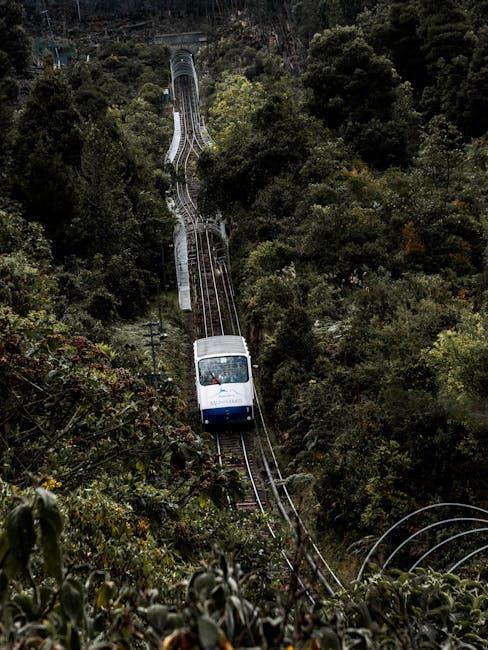
Strategies for Sustainable Tourism: Protecting the Past
To balance the scales of tourism’s growth and heritage preservation, adopting innovative and sustainable strategies is crucial. One approach is the promotion of community-based tourism, which empowers local populations to manage and benefit from tourism activities. By involving residents in decision-making processes, communities can ensure that tourism development aligns with their cultural values and historical narratives, fostering a sense of stewardship over their heritage.
Another effective strategy is the implementation of sustainable infrastructure. This includes developing eco-friendly transportation systems and accommodations that minimize environmental footprints while enhancing the visitor experience. Additionally, the use of digital tools to create virtual tours or augmented reality experiences can reduce the physical wear and tear on historical sites. Moreover, establishing educational programs for tourists about the significance and fragility of heritage sites can cultivate a deeper appreciation and inspire responsible behavior. By integrating these strategies, we can safeguard our past while welcoming the future of travel.
- Community-based tourism – Empowers locals and aligns with cultural values.
- Sustainable infrastructure – Minimizes impact and enhances experiences.
- Digital tools – Reduces physical strain on sites.
- Educational programs – Encourages responsible tourism behavior.

Community Involvement: Empowering Locals in Heritage Conservation
In the delicate balance of tourism and preservation, local communities stand as the guardians of their cultural heritage. Their involvement is crucial in ensuring that tourism enhances rather than endangers the treasures of the past. By engaging locals, heritage conservation efforts can be both more authentic and sustainable. Empowering local residents not only provides them with a stake in the protection of their heritage but also fosters a deeper appreciation and understanding of its value.
- Cultural workshops that teach traditional crafts and practices.
- Guided tours led by community members who share personal stories and insights.
- Collaborative decision-making processes for heritage management.
Such initiatives can transform passive spectators into active participants in the conservation narrative. When communities are empowered, they become the storytellers and stewards of their heritage, ensuring that it is preserved for future generations while still benefiting from the economic opportunities tourism provides.